
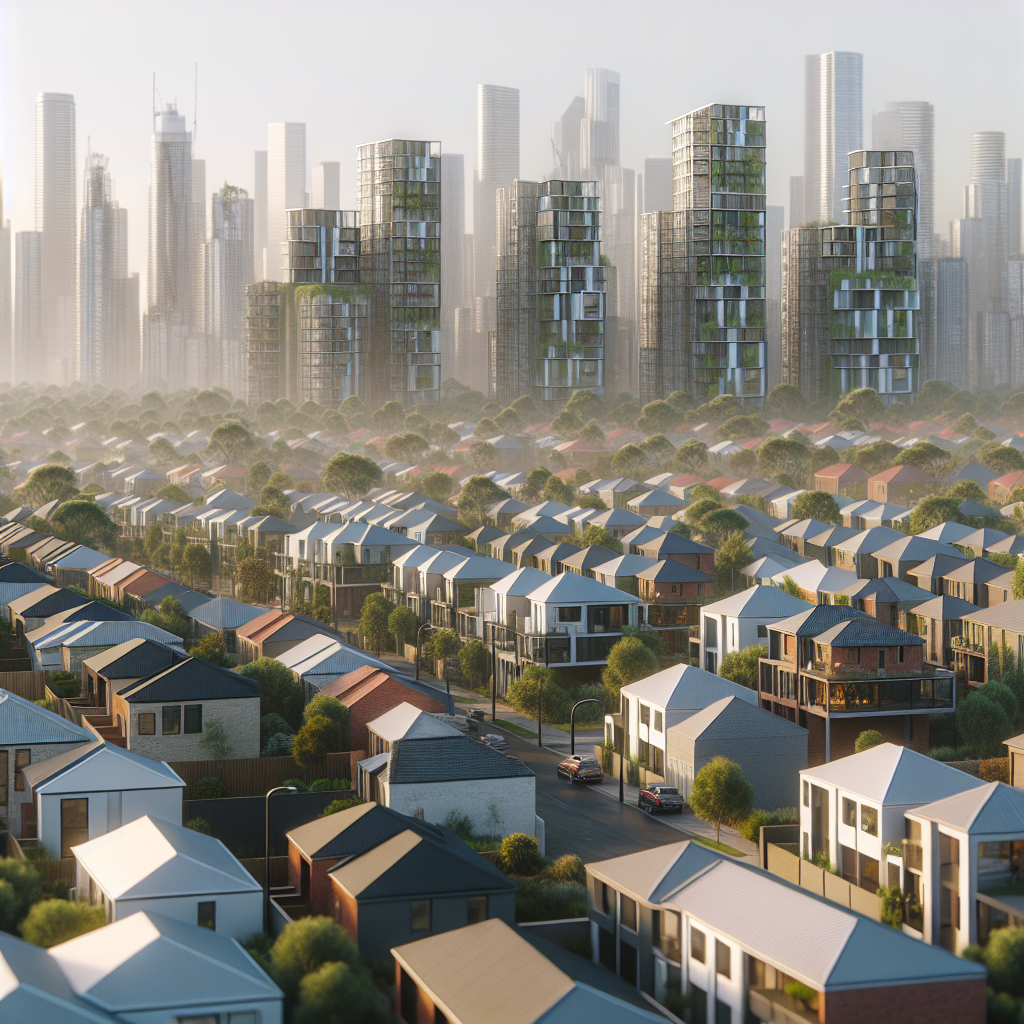
How the NDIS is Influencing Real Estate in 2025
As Australia’s National Disability Insurance Scheme (NDIS) matures in 2025, its wide-reaching impact extends far beyond health and social care. One of the most significant but overlooked sectors influenced by NDIS is real estate. From property development to tenancy trends, the NDIS is reshaping how Australians think about housing for people with disabilities.
NDIS-Funded Housing Driving Demand for Specialist Accommodation
One of the most direct ways the NDIS is influencing real estate is through demand for Specialist Disability Accommodation (SDA). SDA refers to housing designed for people with extreme functional impairment or very high support needs. As of 2025, SDA continues to be a vital component of the NDIS, with thousands of participants seeking suitable homes that offer accessibility, privacy and independence.
Private investors and property developers are capitalising on SDA’s stable, government-backed income streams. This has led to a dramatic increase in purpose-built housing projects in both metropolitan and regional areas. These properties must meet stringent building and design standards according to SDA certification, including features such as widened doorways, accessible bathrooms and smart home technology for assisted living.
While the upfront cost for such developments is higher, the long-term return on investment is appealing. Tenants often have secure long-term leasing arrangements, offering investors robust rental income with low vacancy rates. As of 2025, real estate agencies and financial institutions are also recognising SDA’s potential, leading to more flexible financing options for NDIS-compliant dwellings.
The Evolution of Mainstream Housing into NDIS-Friendly Design
Beyond dedicated SDA properties, the influence of the NDIS is being seen in the broader real estate market. Many builders and developers are beginning to adopt universal design principles as standard practice. This includes incorporating features like step-free entrances, non-slip flooring and reinforced bathroom walls to allow for easy installation of grab rails. These features not only benefit people living with disabilities but also appeal to an ageing population, making such homes more versatile and future-proof.
Landlords and property managers are also engaging more with NDIS support coordinators to better understand the needs of tenants under the scheme. More training and education in the real estate industry aim to improve property accessibility and responsiveness to NDIS regulation, ultimately raising the quality of housing stock available for people with disability.
Importantly, urban planning is aligning with inclusivity goals. Local councils and state governments, guided by NDIS policy frameworks, are funding community-based living models that integrate NDIS housing within accessible neighbourhoods. This ensures that residents have access to public transport, community services and social engagement opportunities, further improving outcomes for NDIS participants and boosting local property values.
Conclusion
The continued evolution of the NDIS in 2025 is significantly altering the landscape of Australian real estate. From specialist accommodation development to mainstream housing changes, the NDIS is driving a more inclusive, accessible and purpose-driven real estate market. As awareness and infrastructure grow, this intersection of disability support and property investment opens new opportunities for both investors and communities across the nation.