
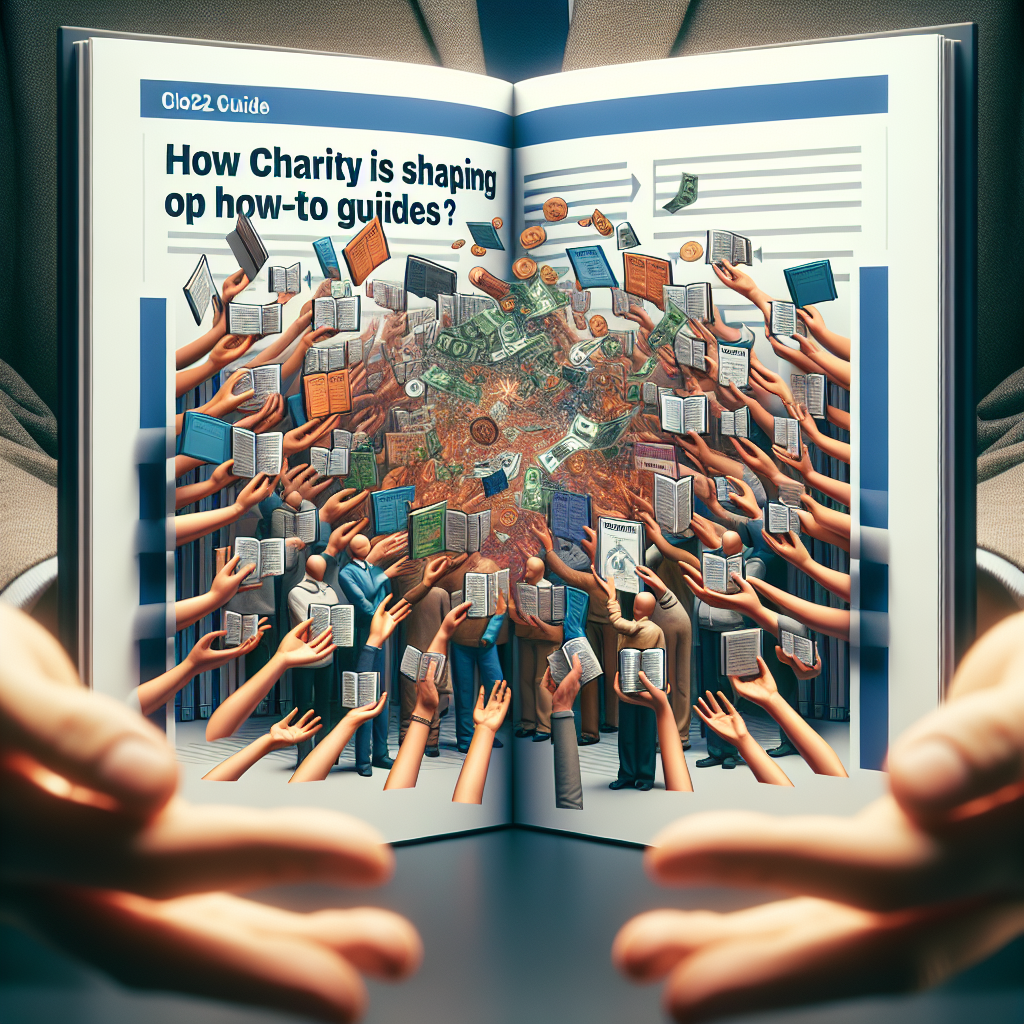
How Charity is Influencing How-To Guides in 2025
In 2025, the growing role of social responsibility is changing the way we access and consume educational content online. One surprising space seeing significant evolution is the world of how-to guides. As charitable movements gain traction, they are reshaping not only the intent behind tutorials but also their structure and accessibility. Let’s explore how and why.
The Emergence of Purpose-Driven Content
Traditionally, how-to guides have been created with the goal of informing users or attracting search traffic. However, in 2025, content creators are aligning their work with broader social missions. Many Australian and global influencers are blending instructional content with charitable aims, transforming simple tasks into opportunities to support communities in need.
This shift is driven by a few key factors:
- Platform Accountability: Major content platforms are rewarding creators who integrate giving back into their material. Whether it’s through donation links or partnerships with non-profits, platforms are prioritising videos and articles that support a social cause.
- Community Expectations: Audiences, especially younger generations, expect more transparency and purpose from the content they consume. They actively seek out guides that not only teach but also contribute to a mission aligned with their values.
- Monetisation with Meaning: Monetisation models are changing. Some how-to creators now direct a portion of ad revenue or affiliate profits directly to charitable causes—encouraging viewers to engage longer and share more readily.
As a result, tutorials on cooking, DIY crafts, tech fixes and even financial planning often include donation prompts or awareness messages for charitable initiatives. This approach not only fosters goodwill but also boosts engagement and organic reach.
Collaborative Knowledge for Collective Good
Another major trend is the rise of collaborative how-to guides driven by non-profit organisations. Instead of lone creators, 2025 sees charities teaming up with professionals to co-create instructional resources that serve underrepresented or disadvantaged communities. This collaboration ensures not only expertise but also equity in knowledge distribution.
For example:
- Health and Hygiene: Charities focused on public health are releasing multilingual video tutorials on basic hygiene practices, tailored for remote or underserved populations using accessible language and visuals.
- Tech Literacy: Digital inclusion programs are pairing tech companies with community organisations to develop easy-to-follow guides on safe internet usage, mobile banking and basic coding, targeting marginalised groups.
- Emergency Response: With climate events increasing, NGOs are producing how-to kits on emergency preparedness, often sponsored by donors and freely accessible through both local and global networks.
By tapping into the how-to genre’s practical appeal and combining it with deeper organisational values, charities are extending their reach and impact. The guides serve not only as tools of empowerment but as channels for awareness, education and community building.
Conclusion
Charity is reshaping how-to guides in 2025 by infusing them with purpose, accessibility and community impact. From content creators embedding social missions in their tutorials to non-profits co-developing vital resources, the lines between education and altruism are blurring. As audiences increasingly demand meaningful experiences, this union between charity and how-to content offers a powerful way to learn and give back simultaneously.